Key takeaways
-
2026-2027 Education Trends will require schools to focus on the changes that matter most, not every new tool, program, or initiative.
-
AI, flexible learning, and new graduation pathways will require clear expectations so students are supported without lowering standards.
-
Students need learning that connects to life beyond school, including career readiness, real-world application, and the ability to manage challenges and responsibilities.
Every school year brings new priorities, but the 2026-2027 school year feels different because schools are responding to several changes at the same time.
Students are growing up with artificial intelligence, constant access to information, new career options, and changing expectations for college and work. Teachers are trying to help students build academic skills while also preparing them to think clearly, use technology responsibly, communicate well, and make decisions about their future.
That is a lot to ask of schools.
The biggest challenge is deciding which changes deserve time and attention. Schools cannot chase every new idea, tool, or program that comes along. They have to focus on the work that maximizes what students learn and how they grow, and prepares them for what comes next.
An effective k-12 learning platform can support that work by providing teachers with useful resources, helping students connect learning to the world around them, and supporting instruction across all content areas.
The following 2026-2027 Education Trends highlight key areas schools will need to consider in the year ahead.
Responsible AI and Digital Literacy
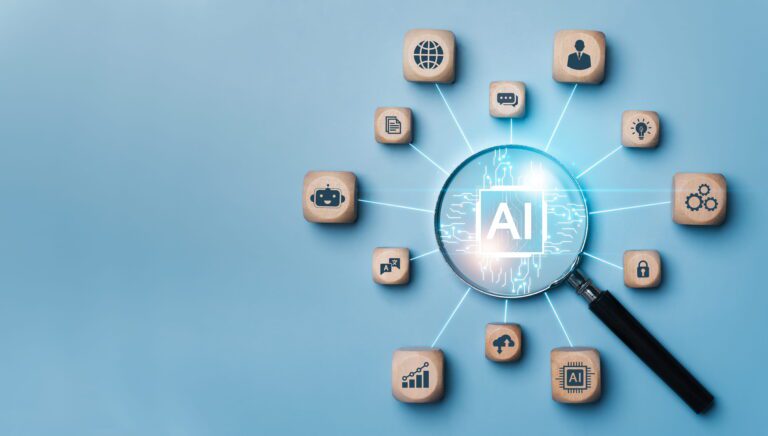
AI is not going away. Students are already using it, hearing about it, and seeing it show up in nearly every part of life outside of school. Schools no longer need to ask whether students will use AI; they need to decide how to help students use it responsibly.
That work needs to be integrated into the digital literacy instruction schools are already building.
Students need to understand that AI can be useful, but it is not always accurate. It can help with a number of tasks, including organizing ideas, explaining a concept, or supporting research, but it can also produce wrong information, incomplete or misleading responses, or work that does not reflect a student’s own thinking.
In the coming year, schools will need to teach students when AI is appropriate to support learning and when it is not. They will also need to help students understand academic integrity, privacy, and the difference between getting help from AI and having it complete the assignment for them.
Teachers need support with this, too. They should not have to create AI rules one classroom at a time. Schools need to support teachers and students by creating clear expectations and consistent messaging around AI use.
In 2026-2027, responsible AI use will become part of a larger conversation about technology in the classroom. The goal should not be to use more technology, but rather to help students use technology better.
More Meaningful Graduation Pathways
Traditionally, graduation from high school has always been treated as crossing a single finish line. In order to receive their diploma, students must complete the required courses, earn the required credits, and pass the required exams. Those all still matter, but schools are also beginning to recognize that students often need different ways to show they are ready for what comes next.
That is why new pathways to graduation will continue to be an important trend.
We have long known that students do not all follow the same path after high school. The problem is that many schools have not created enough meaningful pathways to match that reality. That is changing. In the coming year, schools need to begin preparing students for different graduation options without lowering expectations.
That may include career and technical education, early college courses, internships, work-based learning, performance tasks, and other experiences that help students connect school to future opportunities while demonstrating the skills and proficiencies required for graduation.
This is where career readiness fits into the larger picture. It should not be the only focus of high school, but it should be a significant part of how schools help students think about graduation, planning, and life after school.
The strongest pathways will still require reading, writing, problem-solving, and communication, but students will need more opportunities to see how those skills connect to the direction they may want to go.
Personalized and Flexible Learning
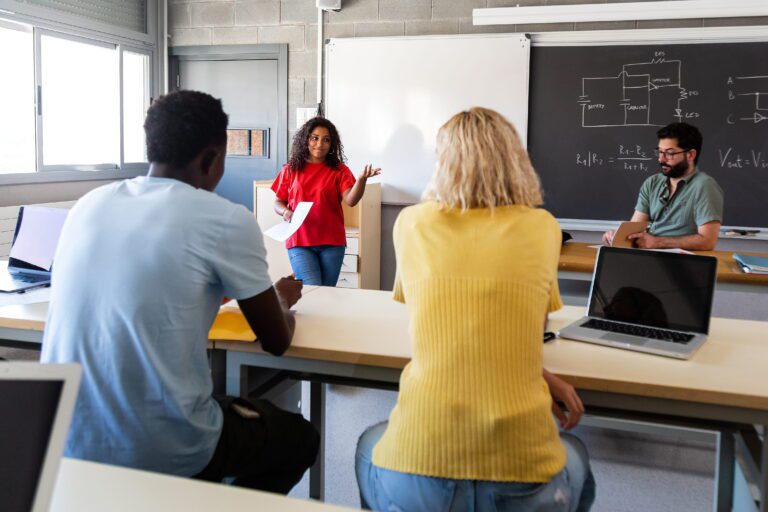
Schools are also transitioning to more personalized and flexible learning opportunities. That does not mean every student will get a completely different education. It means schools are now better at understanding and paying closer attention to how students learn, where they need support, and how they can demonstrate competency.
These personalized and flexible learning opportunities move away from the one-size-fits-all approach that has not always worked well for students or teachers.
In 2026-2027, schools will continue looking for ways to make learning more flexible without making it disorganized. That may include more small-group instruction, adaptive tools, student choice, flexible pacing, blended learning, targeted intervention, or different ways for students to demonstrate what they know.
Focusing on flexibility should not make the learning goal less clear. Students still need to know what they are expected to learn, why it matters, and what they need to do to improve.
This also depends on having good information to guide instruction. Teachers need to know what students understand and where they are struggling. That information can come from assessments, student work, discussion, observation, and digital tools, but it only matters if it helps teachers make better decisions.
This kind of learning requires planning and additional support for teachers. As schools move toward more personalized and flexible learning opportunities, they need to be thoughtful about how they use tools, schedules, and instructional strategies so flexible learning supports students instead of creating confusion.
Learning Beyond the Traditional Classroom
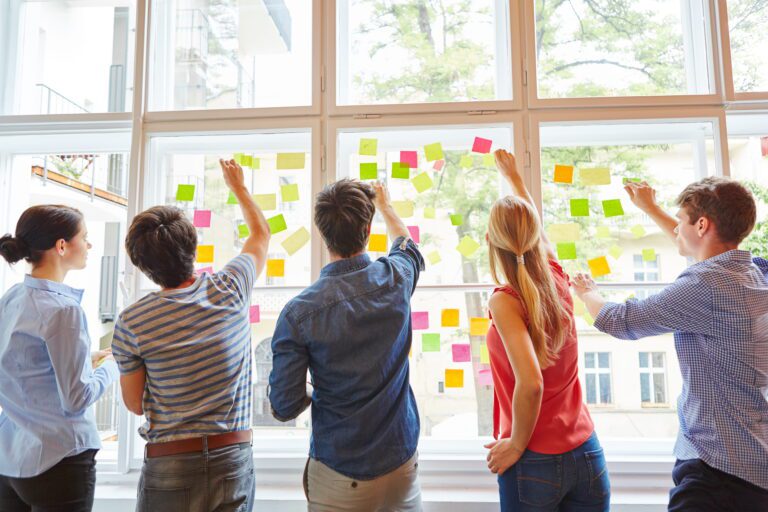
Students benefit when they realize that learning does not only happen inside the four walls of a classroom. More schools are looking for ways to connect learning to real places, real problems, and real experiences.
That may include things like community-based projects, internships, field trips, service learning, outdoor learning, local partnerships, guest speakers, or classroom projects connected to real-world topics.
The format can vary, but the idea is the same: students need opportunities to apply what they are learning.
This is one reason project-based learning continues to be part of the conversation. When planned well, it gives students a chance to work through a question or challenge in a deeper, more authentic way.
These experiences should not feel like extras that happen after the “real” learning is done. They should be connected to the learning goals. Students should still be reading, writing, analyzing, discussing, and explaining their thinking.
In 2026-2027, more schools will look for ways to make learning feel more connected to the world students are preparing to enter.
Embedded Student Well-Being and Readiness Skills
Student well-being will continue to be a major issue, but schools are starting to think about it differently. It cannot be treated only as a separate program or a lesson that happens once in a while. It needs to be part of schools’ regular work.
Students need to learn how to manage challenges, communicate with others, work through frustration, ask for help, and make decisions. These skills are connected to learning, attendance, relationships, behavior, and readiness for life after graduation.
This does not mean teachers need one more thing added to their plates. It means schools should look at where these skills already show up.
They show up when students work in groups, revise work after feedback, explain their thinking, listen to a different point of view, or keep working through a difficult task. They also show up in advisory programs, counseling, classroom routines, student leadership, extracurricular activities, and career planning.
In 2026-2027, more schools will focus on embedding student well-being and readiness skills into the full school experience. That includes helping students build confidence, communication, adaptability, responsibility, and the ability to keep learning.
These skills matter because students are preparing for a world that will continue to change. They will need academic knowledge, but they will also need to manage responsibilities, work with others, exercise good judgment, and respond to changes in plans.
Schools cannot remove every challenge students will face, but they can help students build the skills to handle challenges more effectively.
Preparing for the 2026-2027 School Year
The largest trends for the 2026-2027 school year all point to the same central theme: schools need to prepare students for a future that is changing quickly, without losing sight of what meaningful learning requires.
Students need to use AI and technology responsibly, have clearer pathways to graduation, and experience learning that is flexible enough to meet different needs while still focused on clear expectations. They also need opportunities to apply what they know beyond the classroom and build well-being and readiness skills throughout the school experience.
None of that happens through a single program or initiative. It happens when schools are clear about what matters and consistent about how they support students and teachers.
Every new school year brings new challenges, but these 2026-2027 Education Trends also give schools an opportunity to focus on work that can make a real difference for students.
The goal is not to do everything. It is to do the right work well.
Discover the Latest Education Data
Get your free copy of the Education Insights Report: Engagement Fuels Learning